Project / Belgravia
A dry interior can hide a deteriorating roof.
This Belgravia survey follows a roof built beneath substantial stonework and brickwork. From above, the roofer points out collapsing areas and walls pulling away. Underneath, rotten decking and rusted steel tell another part of the story: water is entering the structure but being caught by the lead roof below, rather than showing as an obvious leak inside. The film records the investigation and proposed access, not a completed repair.
On site / Belgravia
Belgravia Flat Roof Survey
An inspection above and beneath a concealed lead flat roof, showing damaged masonry, deteriorated decking and steel supports.
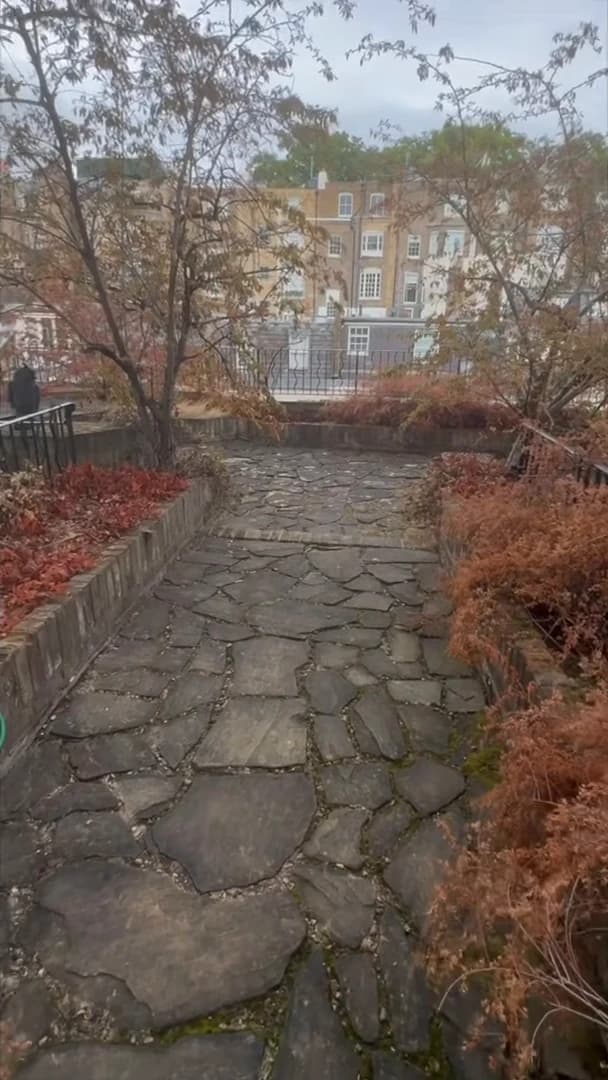
The first part of the film follows the stone and brickwork over the flat roof. The roofer identifies damaged walls, cracking and areas described as collapsing, then explains why reaching the roof would involve lifting the masonry and arranging a scaffold up, over and down to the work area.
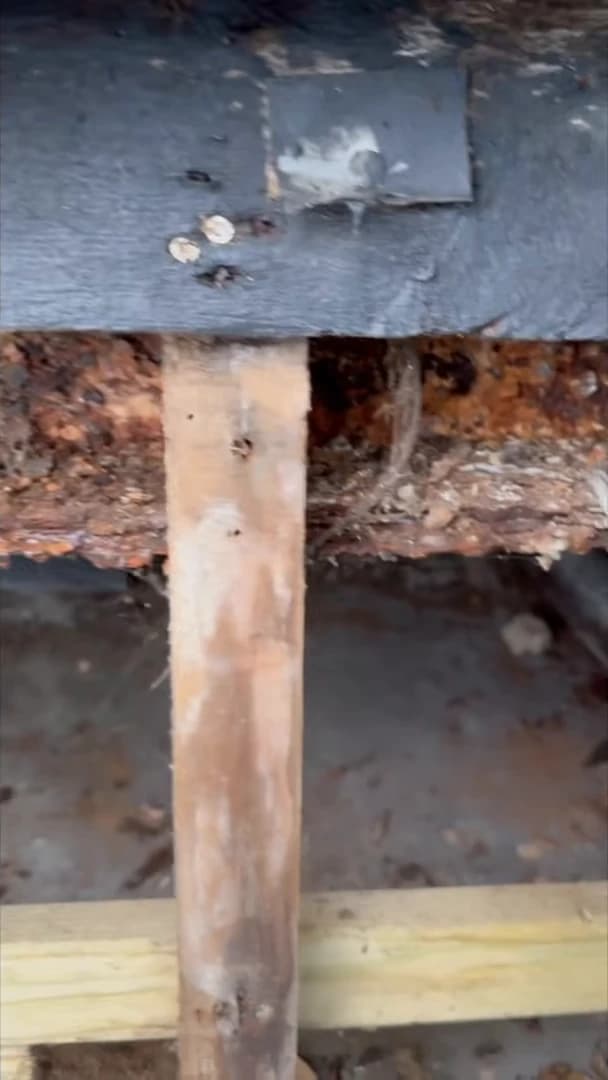
The inspection then moves beneath the roof. Here, the roofer points out rotten decking and rusted steels, and explains that leaking water is hitting the underlying lead. That distinction is central to the survey: the lack of a noticeable interior leak does not mean the concealed structure has stayed dry.
Roofing, explained
Water caught below, damage developing above.
Near the end of the inspection, the roofer describes substantial water ingress above the lead layer. The water is reaching that lower roof rather than becoming an obvious leak inside the building. Earlier in the film, he says the roof has not leaked over the years; the later explanation makes clear that this refers to what has been noticed indoors, not the absence of water entering the roof construction.
The underside inspection exposes the condition that the interior alone would not reveal. Decking is described as rotten and the steel supports as rusted away. The roofer links the continuing ingress to deterioration of the structure. The lead is therefore important to understanding the hidden leak, but its presence is not evidence that the construction above it is sound.
Belgravia / Survey findings
Above the roof. Beneath the masonry.
Roofing, explained
Heavy masonry and visible movement.
The roof is not an exposed flat surface that can simply be walked around and repaired. Stone and masonry have been built over it. During the survey, the roofer points to damaged wall sections, cracking and areas of the roof that appear to be collapsing. He also shows a gap where a wall is pulling away from the roof, large enough for him to put his hand into.
The roofer attributes the collapse to the sheer weight of the materials above. That is the explanation given on site, not an engineer-certified cause or a structural calculation. The film also shows deterioration below, so this account keeps the visible movement, the condition of the supports and the roofer's interpretation distinct rather than claiming that one finding proves the whole cause.
Roofing, explained
Reaching the roof is part of the proposed work.
To get to the flat roof, the roofer says the stone and bricks would have to be lifted. He also describes a scaffold route that goes up, over and down again. Those access requirements explain why this is more involved than applying a repair to an exposed roof covering: the material concealing the roof must first be dealt with so the work area can be reached.
The recording stops at the survey stage. It does not show the scaffold being erected, the masonry being lifted or the decking and supports being repaired, and it does not establish a final replacement specification. What it does establish is the need to look beyond the apparent absence of an interior leak and to account for both the concealed deterioration and the difficult access when planning the next stage.
Your roof / The next detail
Need similar work?
Every roof needs its own inspection. We will explain what this work may mean for your property and recommend the right next step.